09/08/2022
A decade of governorship of Jovanka Tabaković – in the interest of citizens and businesses
During the ten years with Ms Jorgovanka Tabaković at its head, the National Bank of Serbia (NBS) has significantly contributed to stable and predictable conditions of doing business and planning in Serbia, and to the increase in disposable income and employment.
“We learn from the past and are committed by the future. The results we have achieved in the past decade commit us to continue to work impartially, in the interest of all our citizens and businesses, regardless of whether they are consumers, employers, depositors or investors. Nothing can be maintained by itself as it is the people who define policies and make decisions to ensure stable and favourable conditions for life and work. In the past ten years, we have shown our professionalism in stabilising, strengthening and developing our country. This means pursuing good policies going forward, a team work and a proactive attitude, with the aim to preserve stability, strengthen the foundations of growth and manage the risks that are becoming increasingly more complex”, said Governor Tabaković.

RESULTS – IN NUMBERS:
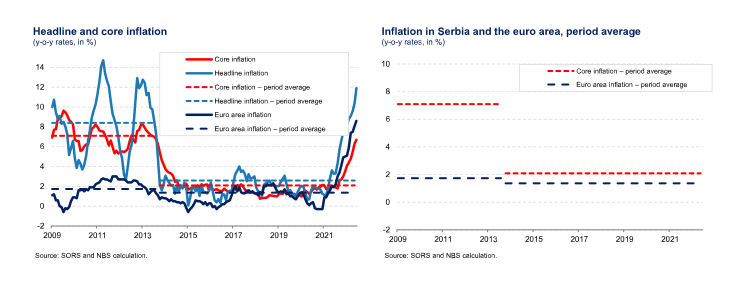
- Within one year, we lowered inherited high inflation to a low level, keeping it at around 2.5% on average over the following nine years.
- We drastically reduced the difference in average inflation between Serbia and the euro area (from around 6.5 pp on average to around 1 pp).
- In the course of ten years, the dinar gained 1% against the euro, with the NBS buying EUR 1.8 bn net in the FX market. The stability maintained by the NBS during the highly challenging first four months of this year created an environment where dinar appreciation pressures prevail again, which enabled us to buy over EUR 1 bn net in the domestic FX market from May to date.
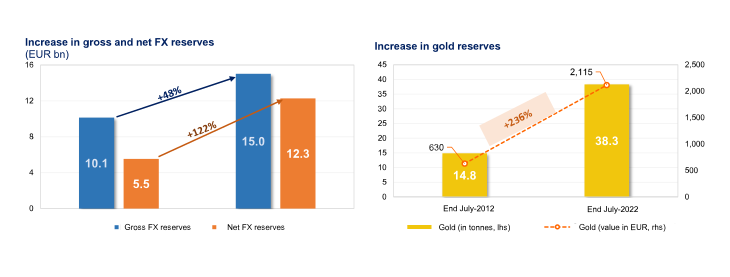
- Gross FX reserved stood at EUR 15.0 bn in late July 2022, having risen by EUR 4.9 bn since July 2012 (by almost 50%) despite unprecedented turbulences, while net FX reserves more than doubled in the same period (from EUR 5.5 bn to EUR 12.3 bn).
- The growth in FX reserves was accompanied with the reinforcement of their structure – we significantly increased the quantity, value and share of gold. From end-July 2012 to date, the quantity of gold has more than doubled (from 14.8 tonnes in late 2012 to 38.3 tonnes, the highest on record). The share of gold in reserves increased almost two and a half times (from 6.2% to 14.1%). The value of gold more than trebled (from EUR 0.6 bn to EUR 2.1 bn).
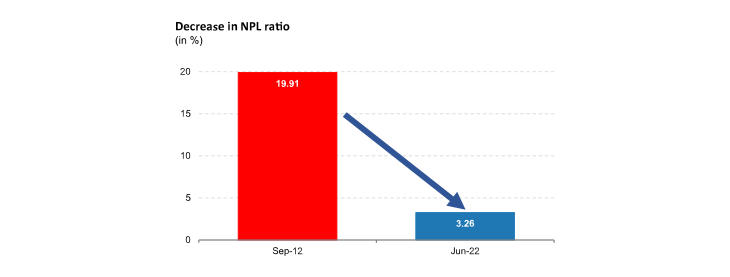
- The NPL share in total banking sector loans fell to 3.26% from the inherited level of around 20% (a fifth of banking sector assets).
- Interest rates on new dinar corporate loans were lower by around 13 pp and on household loans by over 11 pp compared to the start of monetary policy easing in May 2013 (after inflation was put under control). In this period, the stock of total corporate loans increased by more than 50%, and the stock of investment loans almost doubled.
- Expenses on interest and exchange rate differences declined by RSD 278 bn from 2014 to 2020, confirming that the NBS has significantly helped the Serbian economy to record a positive financial result in continuity since 2014.
- Serbia’s credit rating was upgraded by two notches despite the crises from the international environment: from BB- to BB+, one step away from investment grade. This also brought about more investment and better financing conditions for everyone in Serbia.
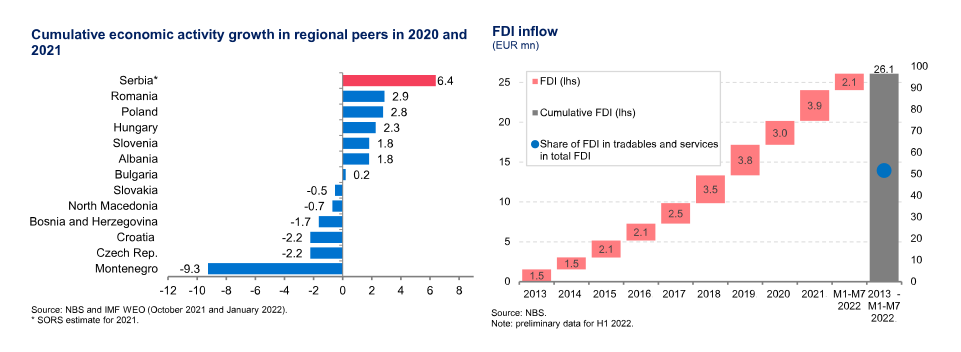
- The FDI structure improved considerably. Until 2012 insufficient investment was channelled to export-oriented sectors. From early 2013 until July 2022, the FDI inflow came at EUR 26.1 bn, with a record level of EUR 3.9 bn recorded in 2021. Since the period of stabilisation of the country, around 30% of FDI went to manufacturing. Even during the turbulences from the international environment in 2022, as at end-July, the FDI inflow amounted to EUR 2.052 bn, down only by 3.5% compared to the first seven months of record 2021 year (EUR 2.126 bn), meaning that investors, despite global uncertainties, continue to invest in Serbia.
- Goods exports from Serbia are two and a half times higher – up from EUR 8.4 bn in 2012 to EUR 20.8 bn in 2021 (despite the impact of global developments on external demand). We expect exports to reach around EUR 27 bn this year. Services included, exports were up from EUR 11.5 bn to around EUR 37 bn, which is the amount we expect for this year. Along with the average annual rise in exports at the rate of around 11% since 2013, the share of goods and services exports in GDP rose by around 20 pp, and it is by this amount that the coverage of imports by exports increased.
- We have been successfully implementing the economic policies supported by the IMF arrangements, of which none implied the disbursement of funds or the relating costs. We inherited liabilities under the two earlier arrangements and paid EUR 105 mn on costs only, on top of the inherited imbalances in all areas (multiyear high inflation, a high fiscal deficit, an enormous balance of payments deficit, soaring unemployment, high NPLs...).
- The number of issued DinaCards is five times higher compared to 2012.
- The average number of transactions of citizens and businesses, processed weekly in all six NBS systems, is above 6.8 million.
The reputable Banker monthly, a UK magazine owned by the Financial Times, with an almost one-hundred-year tradition, declared Governor Jorgovanka Tabaković the best governor in the world and the best European governor for 2020, stating, among other things, her contribution to the strengthening of the financial sector, stabilisation and growth of the Serbian economy.
The NBS also received the “Belgrade Hero” award as it “preserved financial stability in Serbia by ensuring smooth functioning amidst the coronavirus pandemic”.
Medium-term price stability ensured
- Until October 2013, we lowered inflation, whose high levels were not influenced by global factors, to a low level, comparable with the euro area.
- Over the following nine years, we kept inflation at the average level of around 2.5%.
- In the 2007–2012 period, inflation in Serbia stood at around 8.5% on average, reaching almost 15% on several occasions, while averaging below 2% in the euro area. After we brought down inflation to a low level in 2013, the difference in average inflation between Serbia and the euro area was reduced from over 6.5 pp to around 1 pp.
- Important factors of price stability were:
- the achieved and preserved relative stability of the dinar exchange rate against the euro,
- coordination of monetary and fiscal policy measures,
- anchored medium-term inflation expectations of the financial and corporate sectors,
- low prices of primary commodities and energy in the global market.
- The stability of the dinar exchange rate against the euro and anchored inflation expectations have remained an important deterrent to higher inflation growth in Serbia even in the current circumstances of mounting global uncertainty caused by the interplay of the pandemic crisis, energy crisis and the Ukraine conflict. Serbia’s current imported inflation is two to three times higher than at the time of the previous crisis. The then and the current shock in the world are incomparable – the surging global food and energy prices are spilling over to the majority of countries, both directly and indirectly. In Serbia as well, around 70% of the contribution to headline inflation in the current circumstances comes from food and energy prices, while core inflation, under the strongest impact of monetary policy measures, is much lower than headline inflation.
- Despite stepped-up global cost-push pressures, our projections indicate that inflation will move within our target range in the medium run, which is also what market participants expect.
Dinar’s stability against the euro in the last decade – the new normal in Serbia
With the arrival of Jorgovanka Tabaković at the head of the NBS in early August 2012, the relative stability of the dinar exchange rate against the euro was first ensured and then preserved over a ten-year period, which is the anchor of stability of all segments of the domestic economy. In the past decade, the exchange rate stability was not brought into question even once, though we have faced numerous and, in some moments, unprecedented turbulences in the global financial market, replete with frequent crisis episodes.
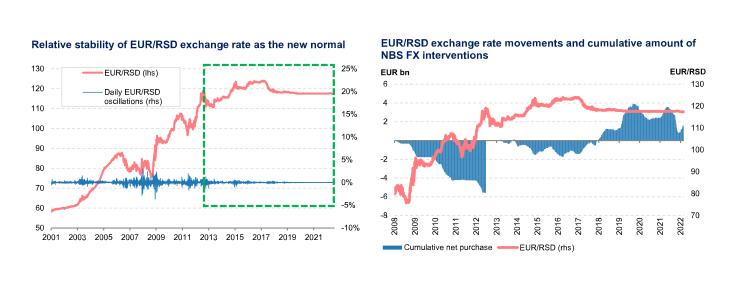
In the past ten years, the dinar has gained 1% against the euro, and the NBS bought EUR 1.8 bn net in the FX market. The NBS thus directly boosted the country’s FX reserves (contributing to financial security) in the healthiest way as FX purchases create no obligation in the future. The stability maintained by the NBS during the highly challenging first four months of this year created an environment where dinar appreciation pressures prevail again, which enabled us to buy over EUR 1 bn net in the domestic FX market from May to date.
Increased FX reserves and their reinforced structure – an important pillar of stability
At EUR 15.0 bn in late July 2022, gross FX reserves increased by EUR 4.9 bn from July 2012 (by almost 50%) despite unprecedented turbulences in the past two years and a half.
At the same time, net FX reserves more than doubled and stand at EUR 12.3 bn (up from EUR 5.5 bn).
During Ms Tabaković’s governorship, the structure of FX reserves has been significantly strengthened, both in terms of better diversification and an increase in the share of gold (the assets that gain in importance and value in the period of heightened uncertainties and crises). Gold reserves stand today at record 38.3 tonnes, accounting for 13.7% of FX reserves. From end-2012 to date:
- Gold reserves have been boosted by 23.5 tonnes – from 14.8 to 38.3 tonnes (they more than doubled);
- The share of gold in total reserves increased by almost two and a half times – from 6.2% to 14.1%;
- The value of gold more than trebled – from EUR 0.6 bn to EUR 2.1 bn.
We have been safely guiding the monetary system through the fourfold crisis over the last two and a half years
In the midst of the pandemic crisis, as well as the gas and Ukraine crises, including the environment of soaring global inflation, the NBS – led securely by Jorgovanka Tabaković – has been not only the last but also the first resort. In the past two years, we have been efficiently using all monetary policy instruments at hand (regular reverse and direct repo transactions, FX swap transactions, FX purchase and sale interventions, required reserves and remuneration rate, secondary purchase of government and corporate securities etc.) so as to ensure that all segments of the domestic financial market remain stable.
Conditions of financing businesses, citizens and the government are much more favourable than ten years ago, with greater reliance on the dinar
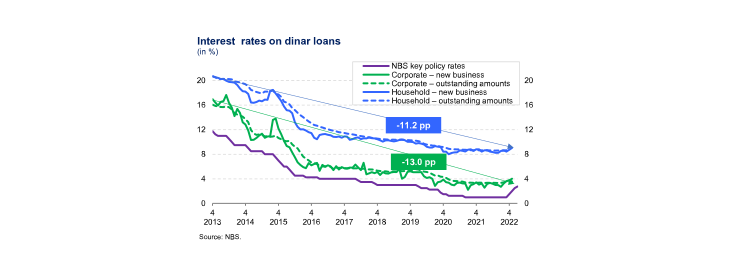
- Interest rates on new dinar corporate and household loans are lower by around 13 and over 11 pp respectively, compared to the start of monetary policy easing (May 2013).
- The NBS key policy rate is currently much lower than in many central European countries running the same monetary policy regime. Inflation is also lower than in those countries. Such situation was practically unthinkable before 2012.
- Corporate and household lending has been recording positive growth rates since 2015, with almost continuous two-digit growth rates in the past four and a half years.
- Loans are used to finance both the investment cycle and consumption, ensuring full synergy between the real and financial sectors, as seen in rising economic activity and employment. Relative to May 2013, the stock of total corporate loans rose by over 50%, and the stock of investment loans almost doubled.
- The conditions of financing businesses, citizens and the government in dinars are much more favourable than in 2012, and have resulted in:
- lower costs of repayment of earlier taken loans and their refinancing under more favourable conditions;
- a rising share of dinar debt in total public debt by 6 pp, to close to 25% (June 2022);
- a rising share of dinar loans in total corporate and household loans by 9.2 pp, to 37.2% (June 2022).
Conditions of financing businesses, citizens and the government are much more favourable than ten years ago, with greater reliance on the dinar
- After inflation was reduced to a low level, monetary policy was continuously eased, up to the current crisis.
- Relative to May 2013, when the easing cycle was launched, the key policy rate was cut by 9 pp, which translated onto all segments of the dinar financial market and reflected on drastically more favourable conditions of financing the government, businesses and citizens.
- Interest rates on new dinar corporate and household loans are lower by around 13 and over 11 pp respectively, compared to the start of monetary policy easing (May 2013).
- The NBS key policy rate is currently much lower than in many central European countries running the same monetary policy regime. Inflation is also lower than in those countries. Such situation was practically unthinkable before 2012.
- Corporate and household lending has been recording positive growth rates since 2015, with almost continuous two-digit growth rates in the past four and a half years.
- Loans are used to finance both the investment cycle and consumption, ensuring full synergy between the real and financial sectors, as seen in rising economic activity and employment. Relative to May 2013, the stock of total corporate loans rose by over 50%, and the stock of investment loans almost doubled.
- The conditions of financing businesses, citizens and the government in dinars are much more favourable than in 2012, and have resulted in:
- lower costs of repayment of earlier taken loans and their refinancing under more favourable conditions;
- a rising share of dinar debt in total public debt by 6 pp, to close to 25% (June 2022);
- a rising share of dinar loans in total corporate and household loans by 9.2 pp, to 37.2% (June 2022).
NBS’s contribution to sustainable economic growth – higher predictability of doing business, preserved investment and consumer confidence
- By preserving price stability and relative stability of the exchange rate, we have also preserved the real value of income of businesses and citizens, and increased the predictability of doing business. Expenses on interest and exchange rate differences declined by RSD 278 bn from 2014 to 2020, confirming that the NBS has significantly helped the Serbian economy to record a positive financial result in continuity since 2014.
- Ensured macroeconomic stability and undertaken structural reforms helped to record positive labour market trends since 2014 and to preserve them during the pandemic.
- Formal private sector employment increased by close to 340 thousand persons, i.e. a fourth relative to end-2014.
- Relative to 2014, the coverage of the average consumer basket by average wage rose from 66.5% to around 88% during five months of this year, and of the minimum consumer basket from 58.3% to around 81%, which confirms a rise in our citizens’ living standard.
- Coordinated and responsible monetary and fiscal policy measures came particularly to the fore when the pandemic broke out as they created room for the NBS and the Government to respond in a timely and adequate manner, strongly supporting businesses and households in the struggle against the pandemic. Owing to the adopted large-scale package of monetary and fiscal measures, production capacities and jobs have been preserved and boosted, and a decline in investment and consumer confidence has been prevented. As a result, only after three quarters from the initial pandemic shock, Serbia exceeded the pre-crisis level of economic activity and achieved, in cumulative terms, one of the highest economic growth rates in Europe in the two pandemic years, of 6.4%.
- Owing to achieved and preserved macroeconomic stability, also underpinned by price and exchange rate stability, since early 2013 the FDI inflow amounted to EUR 26.1 bn (as at July 2022). It reached a record high of EUR 3.9 bn in 2021. Even amid turbulences from the international environment in 2022, the FDI inflow came at EUR 2.052 bn as at end-July, down by only 3.5% compared to the seven months of record 2021 year (EUR 2.126 bn), which implies that investors continue to invest in Serbia, despite global uncertainties.
- In the past ten years, the FDI inflow went mainly to export-oriented sectors, resulting in the expansion of Serbia’s export base and the resilience of our exports to a decline in external demand. With the average annual export growth at the rate of around 11%, the share of goods and services exports in GDP rose by 18.6 pp relative to end-2012 (to close to 55% as at 2021), resulting in a rise in the coverage of imports by exports to 87.5%.
The NBS significantly contributes to Serbia’s credibility in the international community
- The past ten years were also marked by successful cooperation with the IMF. In this period, Jorgovanka Tabaković, Serbia’s Governor at the IMF, raised cooperation to the level of a partnership relationship.
- With successful implementation of all advisory, non-financial arrangements with the IMF through stand-by precautionary arrangements (2015–2018) and Policy Coordination Instruments (2018–2021, including the current arrangement concluded in June 2021), Serbia also confirmed that it implements a credible development policy. Such confirmations are important for economic policy makers, the international and investment community.
- Owing to NBS’s performance, Serbia’s credit rating was upgraded by even two notches, despite numerous crises from the international environment – from BB- to BB+, a step away from investment grade. This brought more investment and better financing conditions for everyone in Serbia.
- Credit agencies state the NBS’s credibility and proven operational independence as important factors behind the rating upgrades. They also assess that the exchange rate regime pursued by the NBS contributes to the economy’s successful adjustment to international trends, and that NBS interventions in the FX market contribute to the preservation of stability, the country’s FX reserves rising to a record high level, and significant lengthening of the maturity of dinar government securities.
Preserved and strengthened financial stability, additional competences and more encompassing protection of financial service consumers
In the past ten years, with its measures the NBS has ensured all necessary conditions for a sound and stable banking sector that finances economic activity and provides state-of-the-art financial services.
We embarked on resolving the inherited issue of high NPLs in a thorough and resolute way. The NPL ratio was lowered from the inherited level of around 20% to the historical low of 3.26% (June 2022), despite the pandemic challenges and uncertainties in the international environment.
We were among the first central banks in Europe to adopt regulations stipulating a moratorium on the repayment of debtor obligations. With two moratoriums and additional incentives for debtors hit most severely by the pandemic, we provided all citizens and businesses with a facility when they needed it the most, so that they could more easily weather the crisis. Funds from both guarantee schemes continued to be used, as an additional measure of support to businesses. In addition, in December 2020 we adopted measures to support citizens and businesses that could not settle their obligations to banks due to the pandemic. In 2020 the NBS also adopted measures helping citizens to more easily access housing loans, particularly first-time buyers, as well as other types of facilities.
The NBS’s responsible approach was also confirmed when it resolved the issue of Sberbank amid the escalation of the Ukraine crisis – through a swift and efficient response, the NBS preserved financial stability and prevented the jeopardy of confidence in Serbia’s banking sector.
In the past ten years, we have created such conditions in the insurance market that its stable growth and further development were not hindered even by the health or financial crisis. We have recorded a positive trend under all relevant parameters. Capital, total assets, technical provisions and life insurance premium have more than doubled. With its activities, the NBS helped achieve a higher degree of responsibility of market participants in general, particularly in regard to MTPL insurance as individually the most important market segment. For instance, during the pandemic the NBS adopted a regulation reducing the insurance premium for more than 1.5 million conscientious owners of motor vehicles. With the digitalisation of insurance services and improved supervision of participants’ market behaviour, the NBS also contributed to the greater availability of insurance services.
We have regularly applied and upgraded in practice all legal instruments and mechanisms of financial service consumer protection, which brought about significant and direct positive financial effects for consumers. Only in the past three years, these effects equal around RSD 370 mn. We are one of few countries that regulated in detail the advertising of financial services and introduced order in this field. We have actively encouraged competition and, in an environment of falling interest rates, we managed to fully simplify loan refinancing and bank switching.
Under the 2015 decision, we committed all banks to pay back the interest they charged against consumers through unilateral changes. Close to RSD 6 bn were returned to consumers on these grounds.
By undertaking the supervision of FX and exchange operations of residents and non-residents as of 1 January 2019, and the licensing and delicensing of exchange dealers, the NBS additionally expanded its competences in the area of preserving the financial stability of the Republic of Serbia. By acting proactively, at the time of the global geopolitical crisis, we also managed to preserve the stability of the exchange market, protect the public interest and prevent abuse. We temporarily closed 168 exchange offices due to ascertained illegalities and irregularities, which resulted in their elimination and return to regular business.
Safe card system and easier, cheaper, faster and innovative services
The NBS takes care of, monitors and promotes safe and stable functioning of the six payment systems it operates and of two other payment systems outside the central bank. Our activities have ensured operational reliability of all payment systems, as well as the security and efficiency of payment transaction execution in those systems.
Among other things, in past ten years:
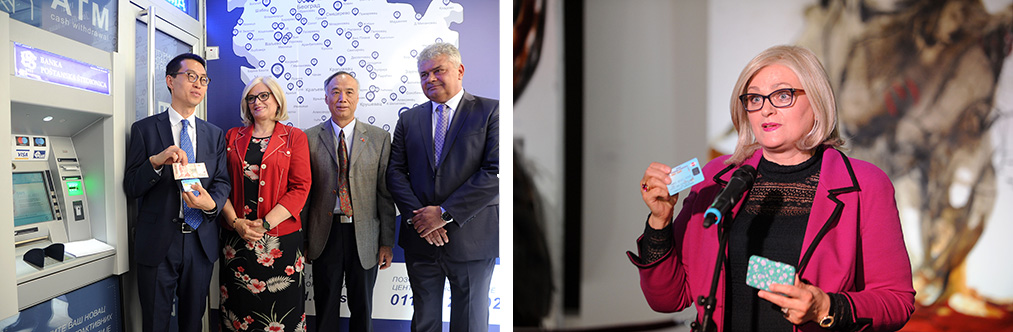
- The number of issued DinaCards recorded a fivefold increase.
- We have upgraded the national card system – DinaCard by introducing new technology (all new cards are chip-based) and card functionalities (payment in instalments by a debit card as a substitution for cheque payments and cashback service at all NIS Petrol and Gazprom petrol stations and Mercator, Roda and Idea POS in the country).
- The number of merchants enabling DinaCard payments on their internet POS increases by the day (currently over 1,600 merchants).
- We have established successful cooperation with international card systems Union Pay and Discover, thus continuing to promote cross-border use of the national payment card.
- We were among the first in Europe and the world to have developed an instant payment system – the NBS IPS system, which enabled citizens and businesses to make payments anytime and anywhere, with the transaction being executed in no more than a few seconds.
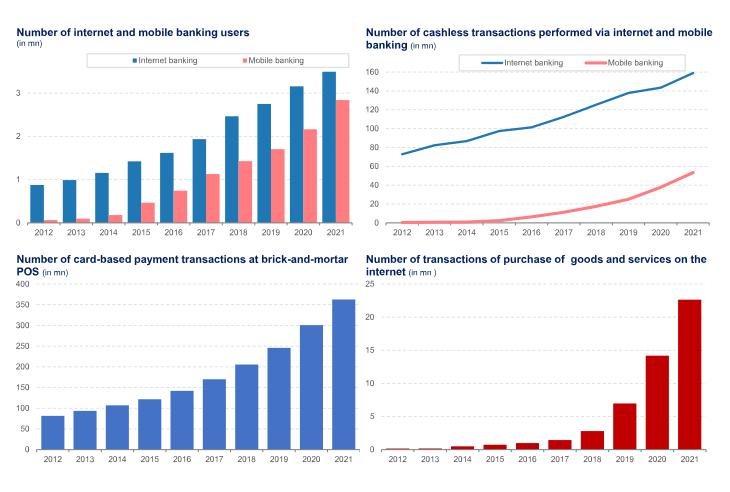
- The average daily number of transactions processed in the NBS IPS system in 2019 was 19,066, only to increase by six times in 2021, to 115,787.
- Since its launch, the NBS IPS system executed around 105 mn transactions, worth over RSD 970 bn dinars, and this best illustrates its use.
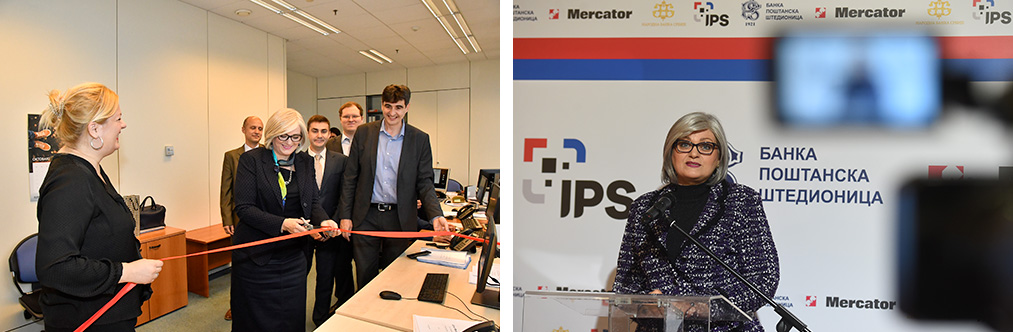
- We enabled instant payments at POS using different methods (IPS show, IPS scan), including deep-link technology for making instant payments at internet POS by using only a mobile phone, guaranteeing full security. Merchants were given a new, modern method of cashless payment at their POS, which ensures money disposal within a few seconds and at lower merchant fees, owing to the NBS’s price policy, as well as an independent development of solutions suited to their needs.
- Via m-banking applications we enabled citizens and businesses a simple way of paying for their monthly liabilities by scanning the NBS IPS QR code (without the need to type in data) on the bills issued by the providers of utility and other services, as well as instant payments by scanning the NBS IPS QR code on the ePay portal.
- We gave citizens an option to use their m-banking apps and make instant payments in a simple way by entering only the mobile phone number of the payee registered for the service or by selecting such payee from the contact list, without the need to memorise templates, write down or enter the account number of the payee.
- We ensured to citizens and businesses full information about all important aspects of instant payments in the country on a dedicated webpage, including information about the methods of use, lower costs, etc.
- We increased the awareness of citizens and businesses about the fees paid in connection with payment services, by standardizing terminology and the reports submitted by banks to citizens and businesses, which ensures easier comparison of fees across different payment service providers. One can get an easy and fast overview of the fees charged on payment services on the NBS website
- We also enabled the conclusion of distance contracts, including with the help of video identification of clients.
- The number of distance contracts concluded in 2021 increased by 63% and the number of contracts concluded based on video identification of clients by 204% relative to 2020.
- The account switching procedures have been simplified and each citizen is now entitled to a payment account with basic features, which includes the use of digital payment services.
- We ensured the provision of payment services in accordance with regulations in our market by 14 payment institutions, three e-money institutions and the public postal operator, as well as their agents, which improves access to payment services, especially in smaller towns where banks did not have an economic interest to open business units. This is evidenced by the fact that there are currently 5,200 registered agents in the Serbian market.
- By enacting the Law on Digital Assets and the relevant by-laws, the NBS enabled companies intending to provide virtual currency services in Serbia to file an application for licence to provide such services. Two licensing procedures are underway.
NBS and the European integration process – all chapters led by the central bank opened
The NBS has been strongly committed to the European integration process since the start of Serbia’s accession to the EU back in 2014. It takes an active part in the work of 11 negotiating groups, which is the highest number of chapters any central bank participates in. A leading role in the most important economic chapters – Financial services (negotiating chapter 9) and Economic and monetary policy (negotiating chapter 17), as well as a significant role in the chapters Free movement of capital and Statistics, show that the NBS has a very important role also within the European integration process, especially when it comes to macroeconomic and financial policies. Another proof of the results in this area is that all chapters where the NBS has a lead or second-lead role are open.
Reform laws and regulatory arrangements in the interest of people and economy, not copying from others
Owing to its proactive and advanced approach, the NBS has been recognised as the frontrunner in initiating and implementing modern regulatory arrangements in the financial sector adjusted to the needs of citizens and businesses.
Our numerous regulatory activities have enabled:
- modernisation in the provision of payment services in the country and cross-border and greater competition in the payment services market (Law on Payment Services);
- harmonisation and lowering of payment transaction costs and their greater transparency for citizens and businesses (Law on Multilateral Interchange Fees and Special Operating Rules for Card-based Transactions);
- greater protection and improved position of financial service consumers (amendments and supplements to the Law on the Protection of Financial Service Consumers), especially in conditions of increasing use of information-communication technologies (Law on the Protection of Financial Service Consumers in Distance Contracts);
- change of the bank resolution framework which ensures continuity of the bank’s critical functions, full protection of depositors and minimum cost for the government (amendments and supplements to the Law on Banks from 2015), which proved effective in practice on the example of Sberbank, where the NBS was the first supervisory authority to have responded and taken all the necessary steps to safeguard the bank’s stability, maintain confidence in the banking sector and stability of the country’s financial system;
- creation of an ecosystem for innovative solutions in the digital assets market and its orderly development (Law on Digital Assets).
Ten years of investing in human capital, because people are the key pillar of institutions and the engine of progress
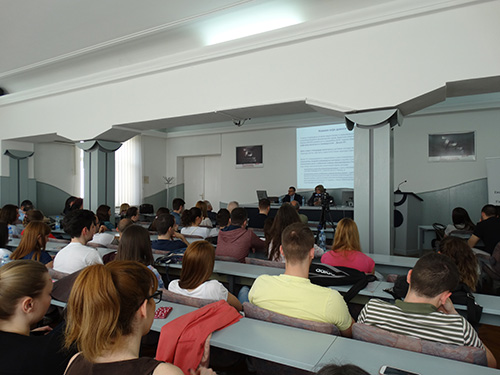
“Despite increasing demand for talents in the knowledge-based market, we have managed to win over the best and be their first choice. Unless accompanied with investment in people, no investment can give durable results. It is for this reason that we remain open to the best, to the young, to the innovative”, said Governor Jorgovanka Tabaković.
Over the ten years of thе Governor’s active commitment to supporting the professional development of young people and keeping them in the Republic of Serbia by giving them a chance to learn and gain experience, the number of staff aged 20–30 has increased by 15.57%. Upon the Governor's initiative, through the student internship programme over the past ten years more than 650 students used the opportunity to acquire professional knowledge and many even started a professional career at the NBS.
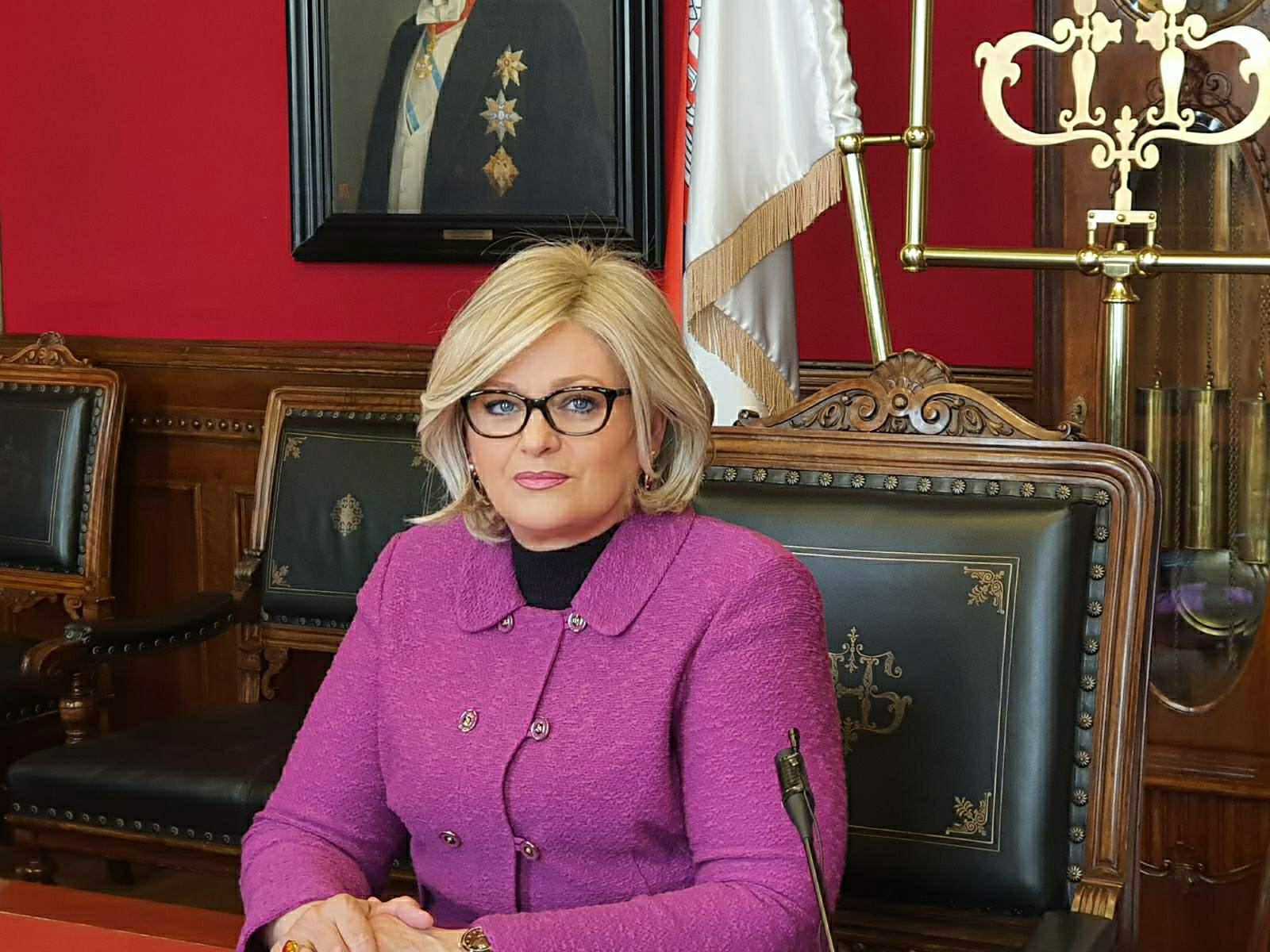
“We live at a time when many things are happening for the first time. At a time of interlocked three crises at a global level – the unfinished pandemic, the energy crisis and geopolitical tensions that escalated into a conflict in the territory of Ukraine. The whole world almost came to a halt – all types of transport, global supply chains and the flow of people and goods were disrupted. Then energy prices entered an upward spiral, leaving both direct and indirect effects. And there is hardly anyone that would have settled for ‘the force majeure’ explanation – in such circumstances everybody expected us to demonstrate responsibility, strength and wisdom in responding to all the challenges. In such a setting, the role of central banks is more important than ever – in order to help citizens, businesses and the government to function smoothly even in times of crisis. Serbia faced numerous crises over the past ten years in a much better macroeconomic position owing to the narrowed internal and external imbalances and the implemented structural reforms. We have built on the solid foundations of stability and cooperation, in good and in bad times. We have shown that there is no need for fear. Serbian leaders have demonstrated that they are doing everything in their power to minimise the effect of this triple crisis on our citizens. We have fought to deliver security in unprecedented circumstances. Figures show that we have maintained stability during all crises, and the crises were far from few. This is confirmed by the preserved key indicators of defence against shocks, such as the maintained relative stability of the exchange rate, foreign exchange reserves and liquidity of the financial system, as well as by the lowest level of NPLs on record. Stability in the broadest sense of the word is a result that we are particularly proud of and we shall do everything to maintain that stability going forward, because in this job there are no final victories – there is only day-to-day committed work. Our job never ends and it is only continuity and perseverance that bring success and development”, pointed out the Governor.
Governor’s Office